What was Solstice designed to do?
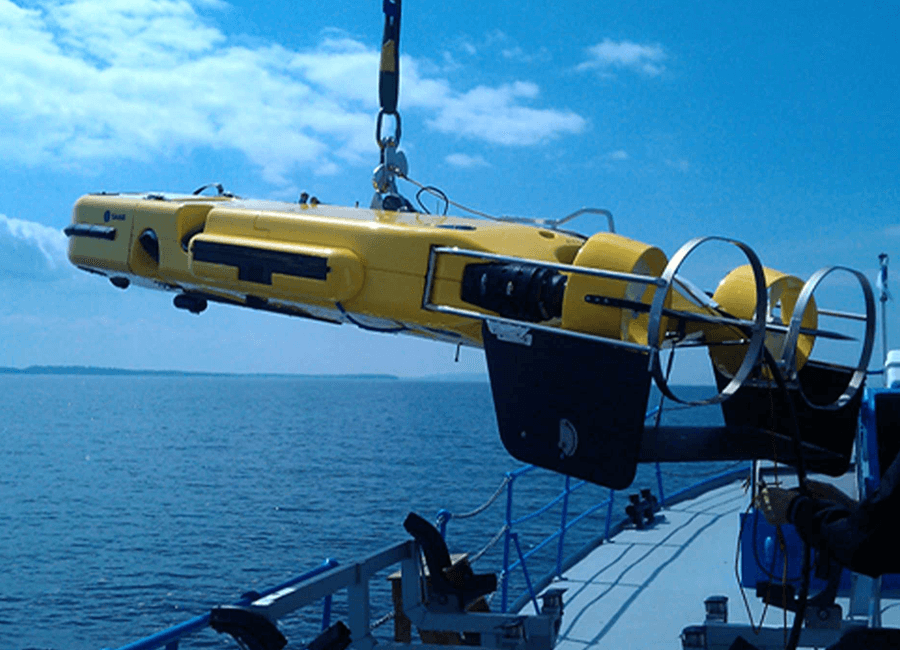
The Wavefront Solstice family of side-scan sonars is built on unique Multi-Aperture Sonar (MAS) technology, developed to fill the gap between standard side-scan sonars — low complexity, but low resolution — and synthetic aperture sonar, which brings high cost, high complexity and very large data volumes.
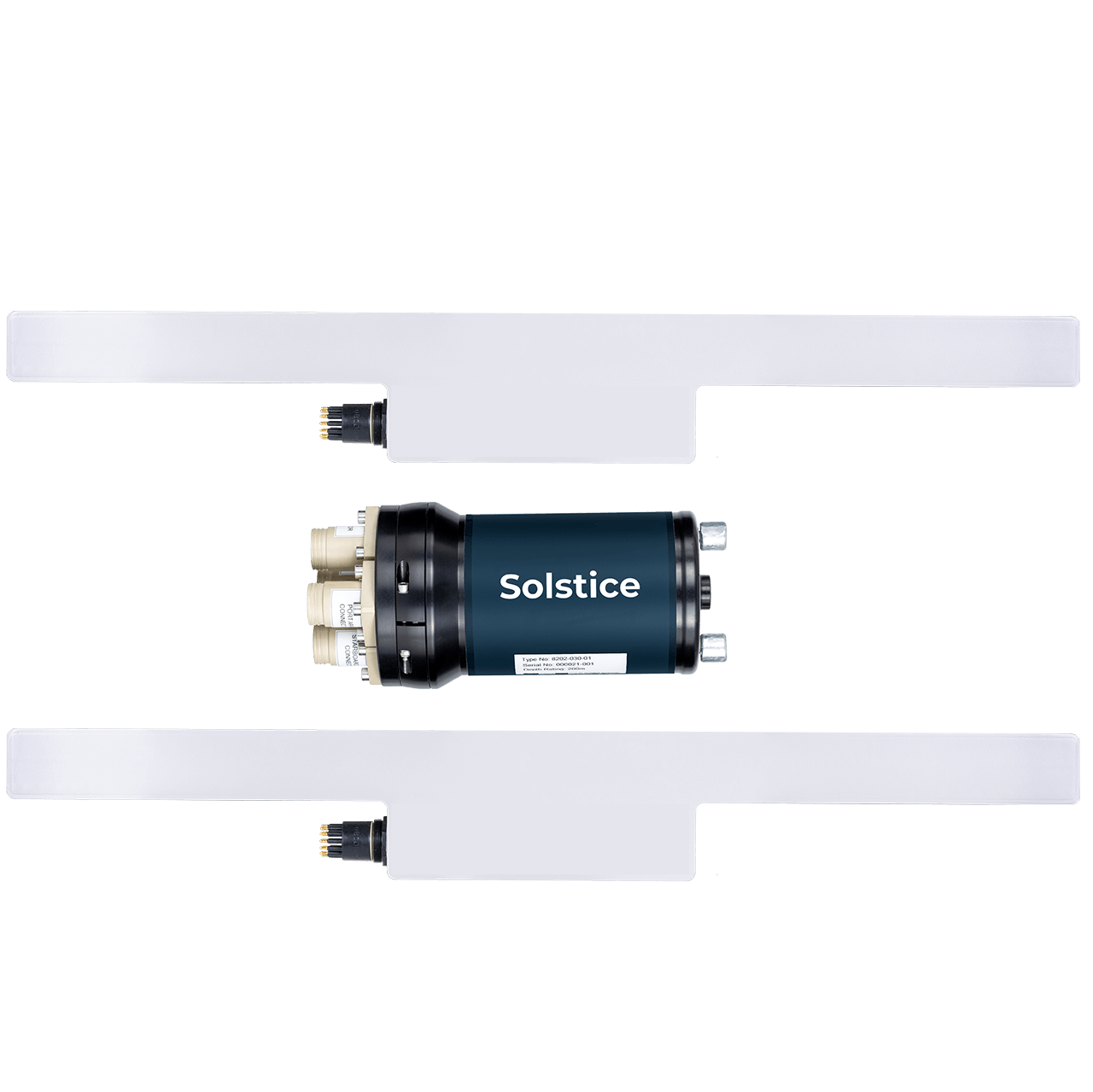
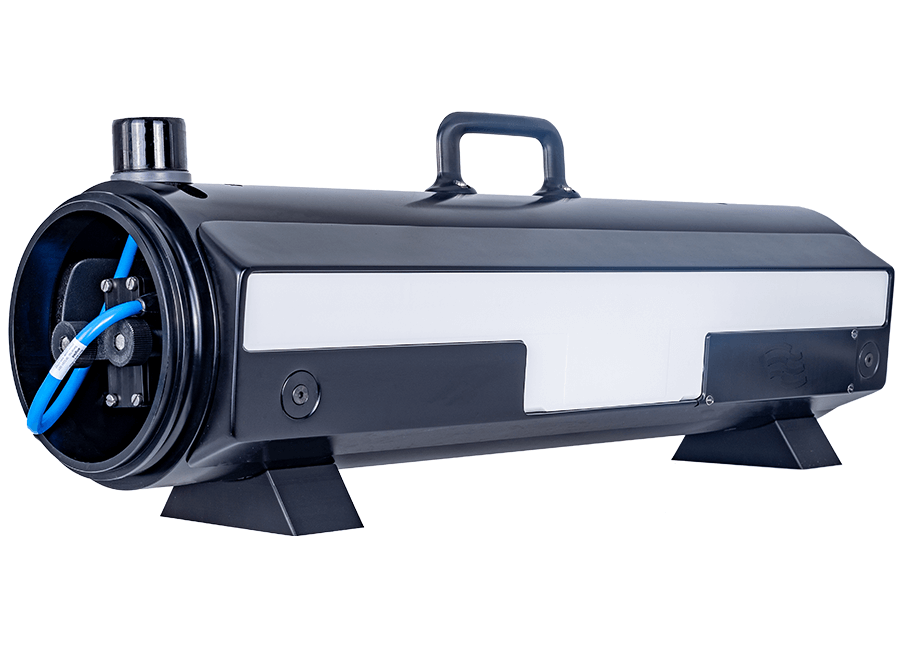
MAS is intended to deliver the best of both. The family offers a choice of array: Solstice 3000 is the optimal fit for small platforms, while larger platforms needing additional resolution can carry Solstice 4000, which is twice the length and offers twice the resolution. Solstice 3000 uses lightweight arrays (each flank weighs under 2 kg in air) and uses less than 20W of power, with a 100m range independent of platform speed up to 6 knots. Data volumes remain manageable and are processed on board, producing consistent, stable and reliable imagery. The result is an area coverage rate comparable to SAS (1.6 km²/hr without gap filler), easier mission planning with predictable survey outcomes, and effective operation in shallow water from 5 to 30m.
When would you use MAS vs SAS?
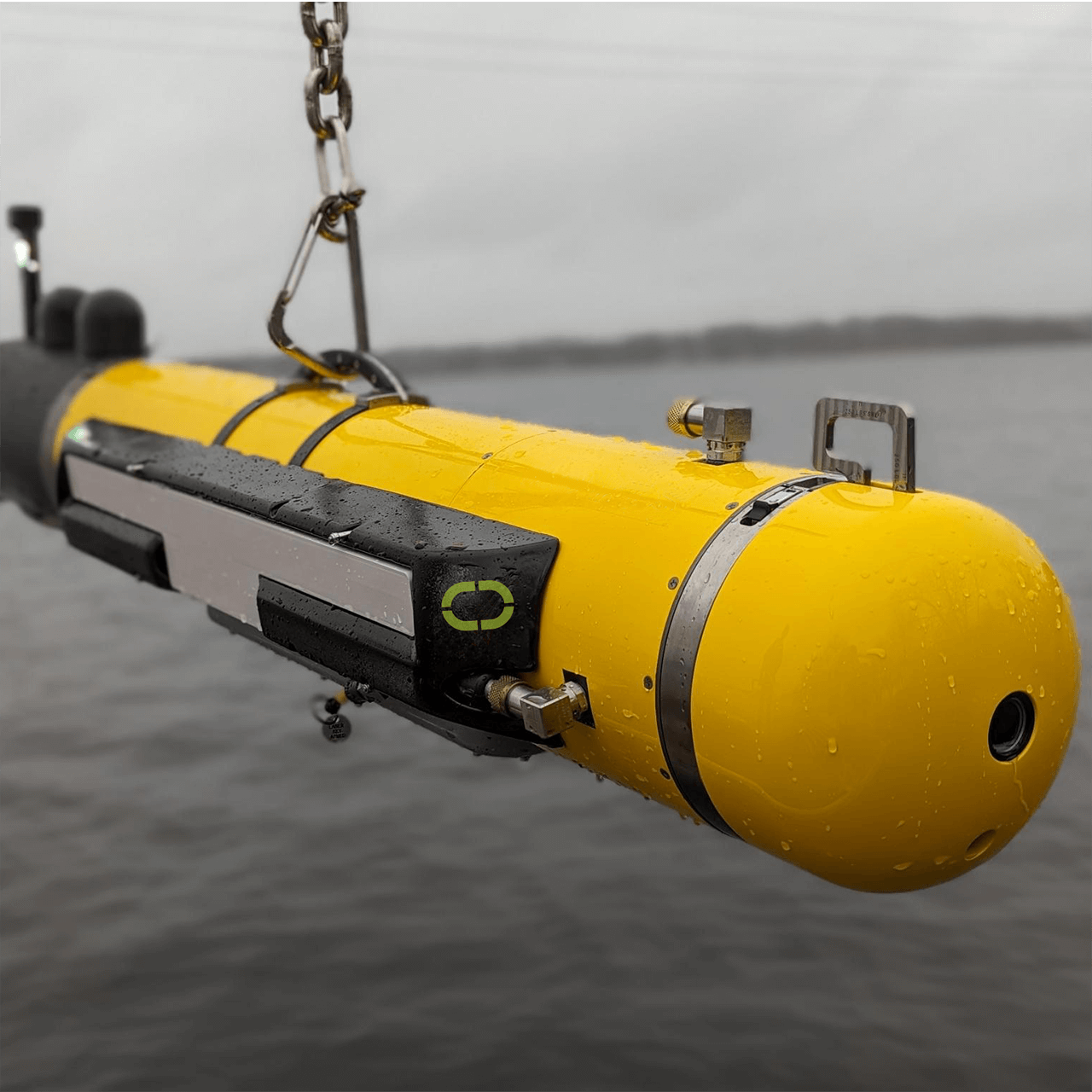
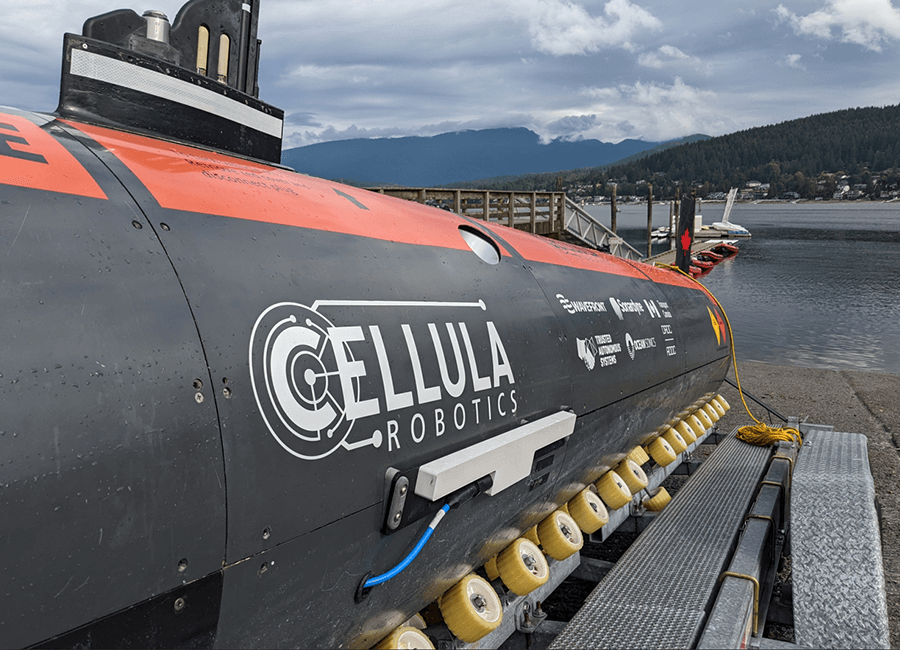
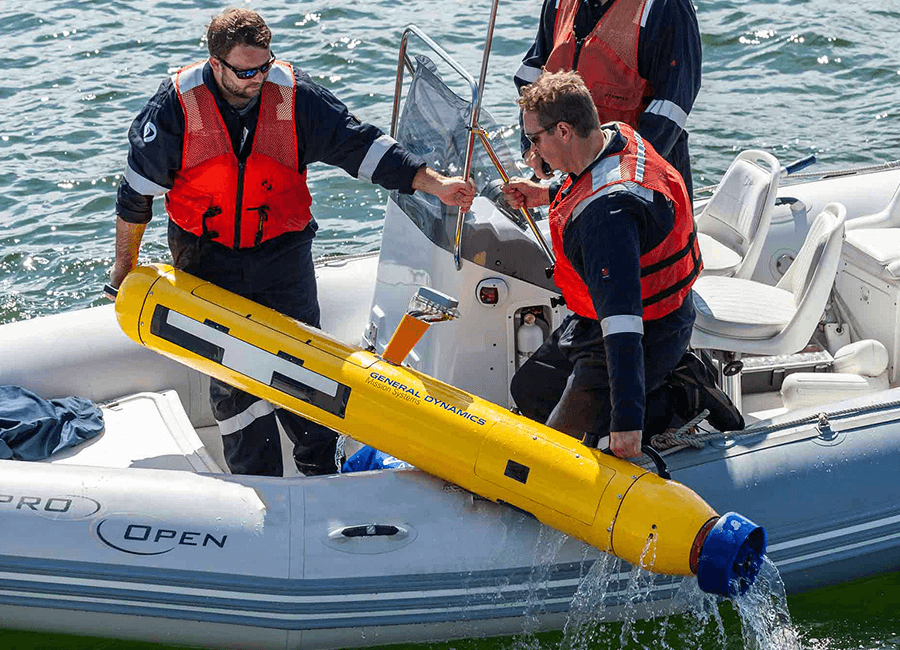
SAS’s principal benefit is constant along-track resolution. Against that, Solstice MAS was designed to operate on small, man-portable platforms and therefore offers significant advantages compared to SAS. Solstice measures only 682mm long and weighs approximately 7 kg in air including the electronics. The power requirement is typically 20W, significantly lower than any typical SAS, which normally starts at 50W with no on-board processing and requires large, heavy, power-hungry arrays. This enables AUVs to perform longer surveys. It is simpler to operate: with Solstice the range remains constant at 100m either side and the area coverage rate is unaffected by speed, whereas with SAS the ACR is held constant, so as the platform accelerates the SAS range decreases. This makes mission planning for SAS complex, particularly in tidal areas where changing water currents may impact platform speed, and SAS struggles in high cross-currents where significant crabbing angles disrupt its micro-navigation. SAS is also very sensitive to platform instability, to the higher-order multipath interference commonly encountered in shallow water, and to an unknown or dynamic sound velocity profile. It also demands accurate bathymetry, without which non-linear platform trajectories miss spec-sheet resolution claims. Some of these issues are not unique to SAS, but they matter far more for SAS than for a conventional side-scan sonar. Solstice, by contrast, continues to produce usable data in extremely shallow water, operating with the sensor as little as 2m above the seabed, where SAS cannot typically operate.
Can I operate multiple Solstices side-by-side?
Solstice can be used at three different centre frequencies, meaning that three AUVs can work together without mutual interference. This makes mission planning significantly simpler for systems using multiple AUVs.
What is Solstices effective area coverage rate?
Solstice offers an effective area coverage rate (ACR) that is unmatched for a side-scan sonar designed for mine-hunting operations or unexploded ordnance surveys. At 6 knots and using no gap filler, the effective ACR is 1.63 km²/hr.
Why do we consider Solstice data to be mine-hunting ready across the whole swath?
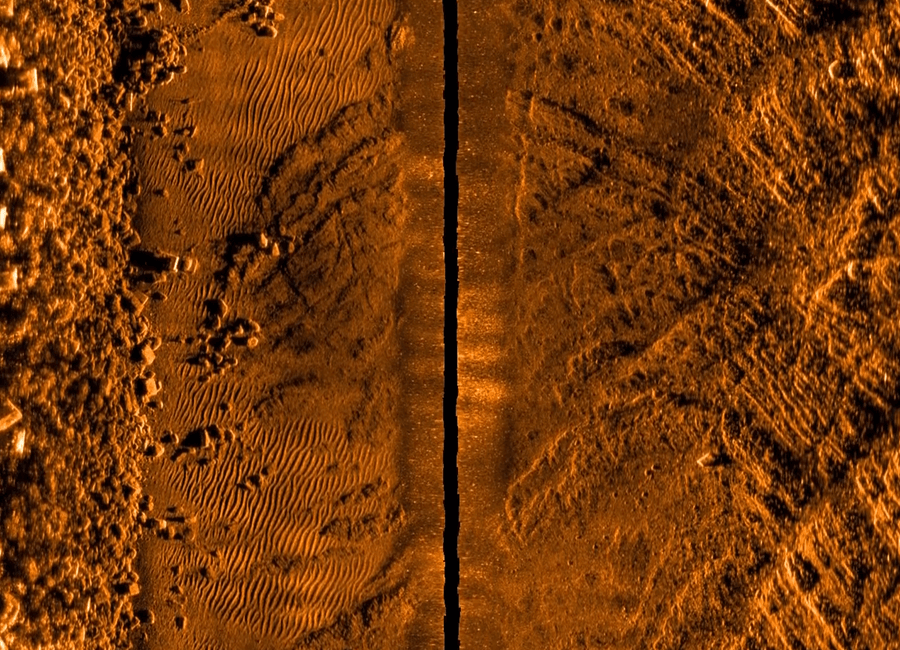
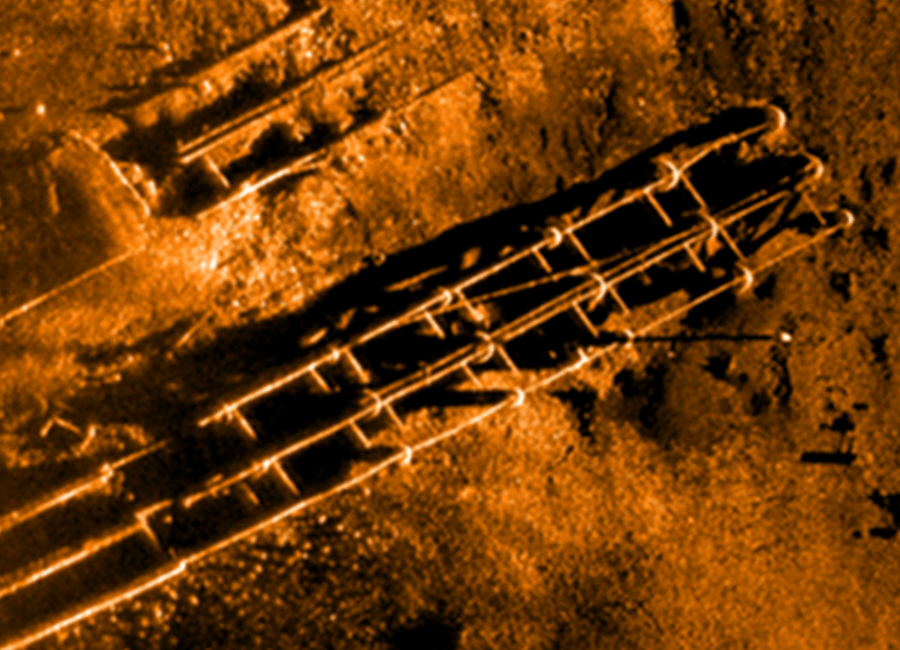
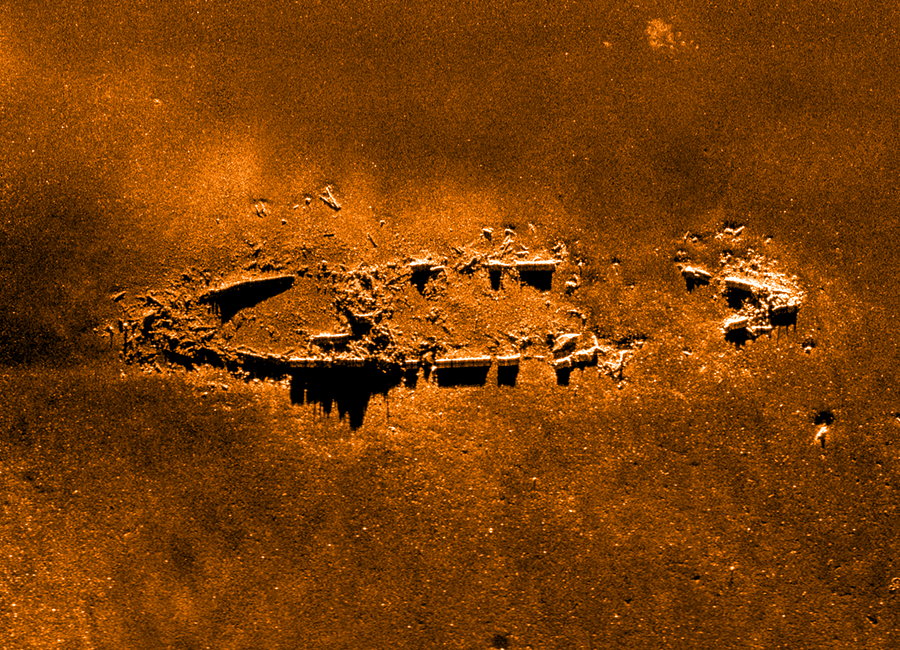
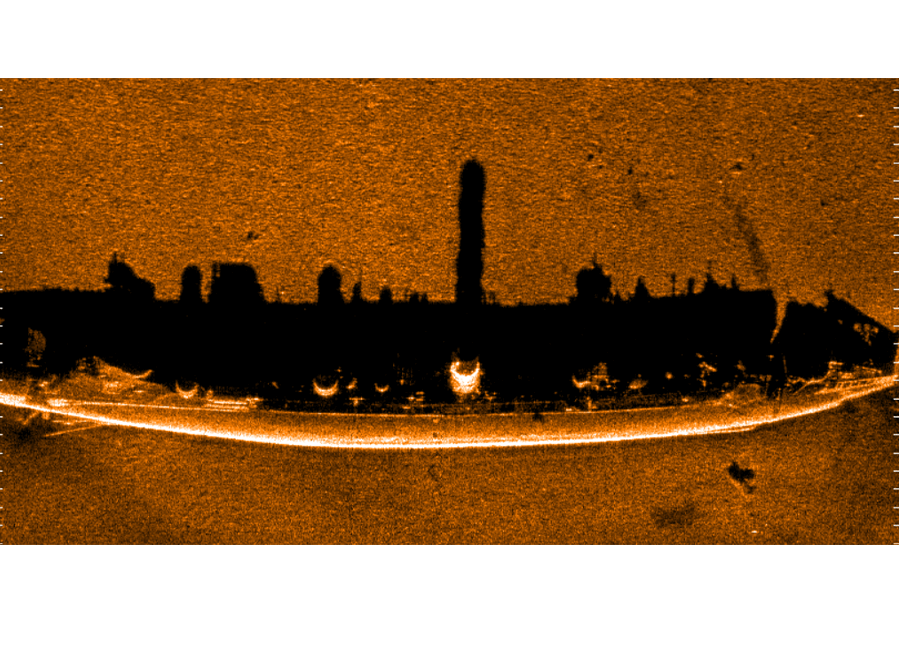
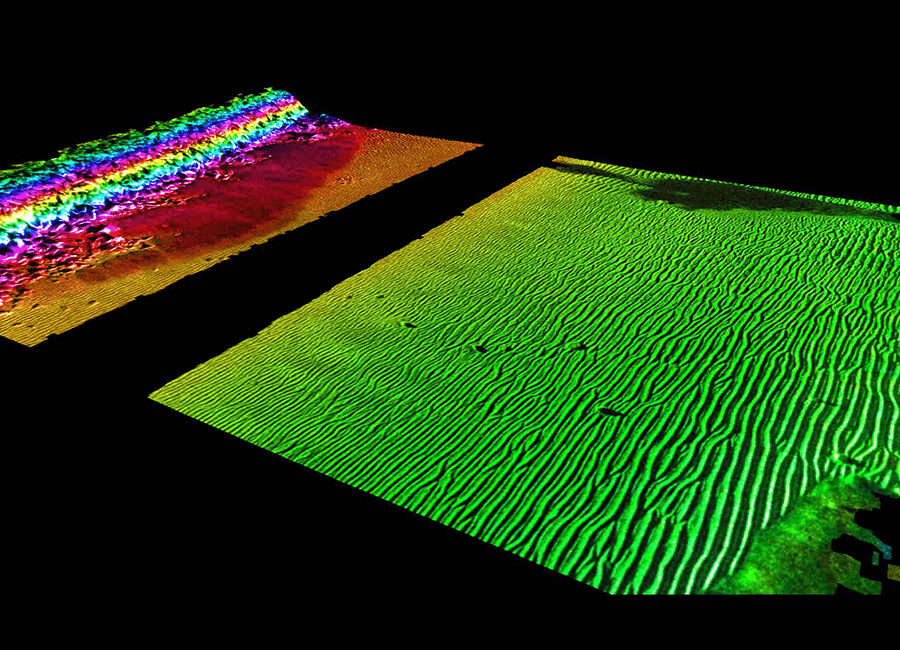
Solstice has been designed to produce high-contrast imagery even in very shallow water, eliminating noise from multi-path reverberation, enhancing the contrast of the imagery. It employs a unique array technology which allows wide swath coverage normally associated with wide vertical beamwidth, whilst providing the shadow contrast associated with very narrow vertical beams. The result is higher-fidelity images enabling higher certainty decision making.