Multi-Aperture Sonar (MAS) systems have been designed to deliver high-frequency, high-resolution, and long-range imaging data to improve the probability of detection of unexploded ordnance (UXO), mine-like objects, and improvised explosive devices (IED) while minimising the probability of false alarms.
MAS outperforms traditional side-scan in virtually all underwater environments and is also known to deliver data approximating synthetic aperture sonar (SAS) at a fraction of the power required. Where MAS truly comes into its own is when operating in shallow to very shallow waters (SW, VSW) across the littoral. In these waters, the acoustic environment is particularly hostile. The output from traditional side-scan and synthetic apertures sonars (SAS) is affected by higher order multi-path reverberation, unstable velocity of sound profiles, often unknown, as well as significant bathymetry, baseline decorrelation effects and platforms that are unstable. The result is far less reliable end sonar products with greater impact to longer range systems. This is particularly acute in tidal and riverine environments.
However, the ease of MAS operations is not to be underestimated when planning a deep-water campaign. Effective operations save time and money.
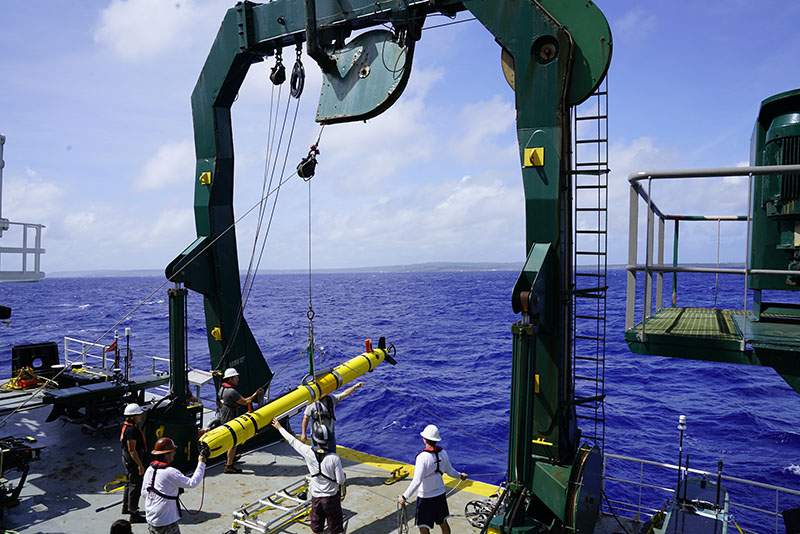
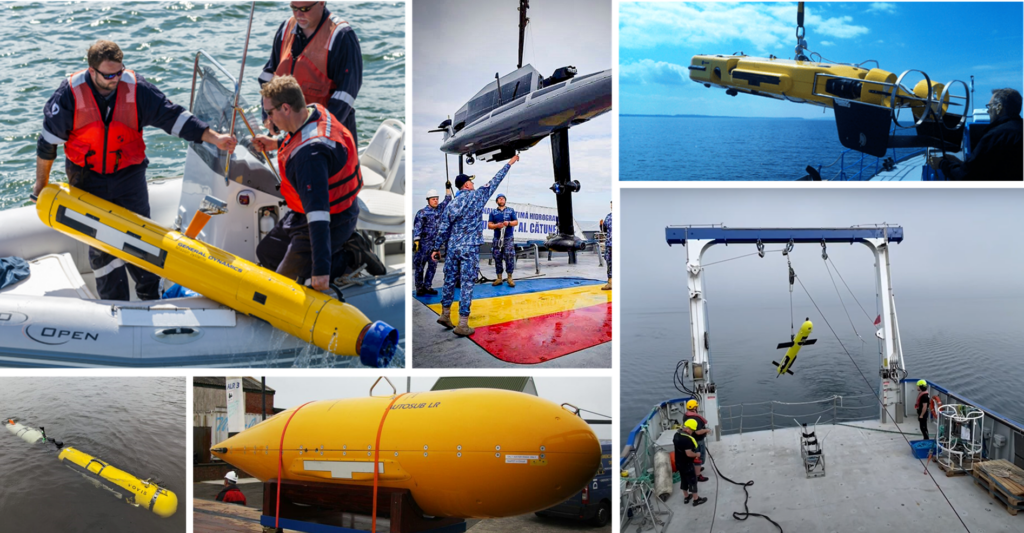
Because MAS is simple to operate it can be easily integrated into your application. The following are just a few examples in the public domain that illustrate where Solstice MAS from our technology partner Wavefront Systems has been integrated:
- Viperfish ROTV: This remotely operated towed vehicle manufactured by our technology partner EIVA, has been specifically designed to deliver a next-generation mine hunting capability to uncrewed surface vessels.
- L3Harris Iver 4 AUV: As part of a combined module with Voyis insight optical systems providing a one of a kind classify and identify capability.
- The Triton from Ocean Aero: This hybrid platform capable of sailing to a remote location and diving to acquire high quality seabed data. Read more here.
- Autosub Long Range AUV: A long range autonomous underwater vehicle manufactured by the National Oceanographic Centre. Find out more by following this link.
- Bluefin-9 and Bluefin-12 AUVs from GDMS: Equipped as standard and chosen to support the Royal Australian Navy’s SEA 1778 programme.
- Seasword 2 USV: Selected Solstice as payload to deliver an MCM capability. For more information visit this news site.
- Double Eagle SAROV from SAAB: An MCM power horse, used to provide on stride classification, identification and neutralisation capabilities.
Some key differentiation is follows:
- Performance to power ratio: No other system produces highly detailed mine-hunting data while hardly making a dent on the hotel load of the host platform.
- Performance in shallow waters: In depths of up to 30 m depth, SAS or lower frequency side-scans can be affected by multipath effects from the surface and seafloor. For some SAS systems these effects can compromise as much as 50% of their swath. For Solstice, the impact will typically be less than 10%.
- Simpler to operate: Unlike SAS, Solstice is simple to plan for as the range remains constant regardless of vehicle speed. There is no risk of a data holiday caused by sudden accelerations from currents. The result is more predictable and simpler to manage surveys.
Did you know that a version of Solstice exists that doubles the along-track resolution. The S4000 is longer and consumes more power, 37 W including on-board real time processing, but delivers improved performance to support identification of smaller targets across the whole 200 m swath.
If you would like to find out more please don’t hesitate to get in touch.
Forcys is excited to announce they have been selected by Ocean Aero as a payload provider for their world-leading autonomous underwater and surface vehicle (AUSV), the Triton.
The Triton is the world’s only environmentally powered AUSV. Completely solar and wind powered, it can travel at speeds of up to 5 knots and can submerge for up to 5 days at 2 knots.
A true multi-domain workhorse, the Triton can be used as a force multiplier for defence operations, offering easy logistics, launch, and recovery while evading detection using autonomous avoidance and deep diving capabilities.
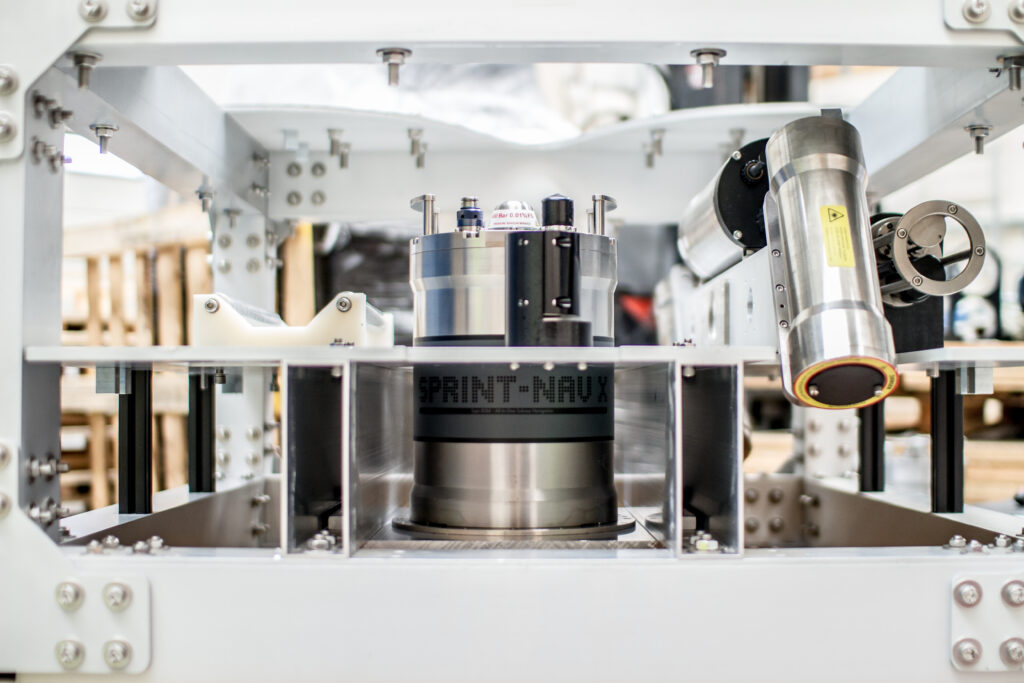
Forcys will be supplying Ocean Aero with SPRINT-Nav Mini, the world’s smallest hybrid acoustic-inertial navigation technology from its technology partner Sonardyne and Solstice, the leading multi-aperture sonar (MAS) for Autonomous Underwater Vehicle (AUV) systems, from its technology partner Wavefront Systems.
Forcys’ General Manager and Head of Global Sales, Dan Zatezalo welcomes their selection: “We are thrilled that Ocean Aero has chosen us as their payload provider for defence applications. Their revolutionary technology is a great complement to our offer, and we think their customers are going to love the results. We look forward to working with them in driving the autonomous ocean defense technology sector forward.”
Bob Marthouse, COO from Ocean Aero said; “A key differentiation in our selection process is the performance to power ratio. We need to maximize the value from our payloads while managing the power consumption to sustain our mission goals. This is where the technology from Forcys makes a significant difference. On our last mission, everyone was highly impressed with the Solstice MAS.” With Forcys’ marine defence market expertise, alongside its access to many technology partners, and Ocean Aero’s many applications for the Triton, the partnership looks set to be a revolutionary and fruitful one.
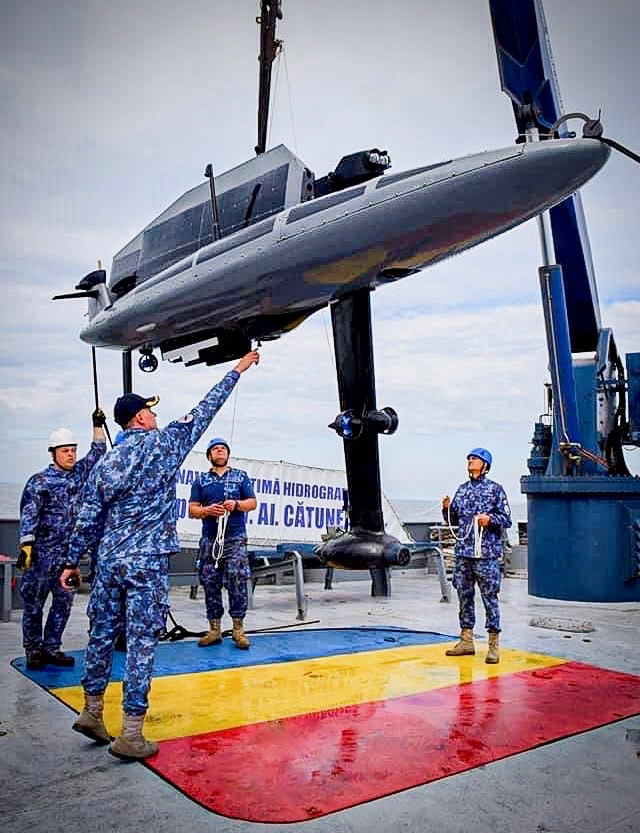
Over 80% of global trade is seaborne. About two-thirds of the world’s oil and gas supply is either extracted at sea or transported by sea and up to 99% of global data flows are transmitted through undersea cables. None of this information is new but it pays to remind ourselves of these facts at a time when reliance on undersea infrastructure has never been higher and is likely only to increase.
The National Protective Security Agency (NSPA) provides the UK government’s definition of Critical National Infrastructure (CNI). While the definition applies to all infrastructure, not just maritime, terms like cables and pipelines are absent. CNI is defined by the impact of loss of its availability, integrity or delivery of essential services. The global economy and need for energy security leads us to conclude that a great deal of that seabed infrastructure is critical to the national interest.
Your infrastructure is at risk
Just as the technological explosion of land and air drones is re-writing land doctrine in Ukraine, the development of highly capable remotely operated and autonomous underwater vehicles has put more of our seabed based national infrastructure at risk from our from our adversaries. While communication pipelines tend to be buried, the nodes and shallow infrastructure are vulnerable, and oil and gas infrastructure is largely exposed and detectable with rudimentary technology.
Technology options
So how do modernising navies regain the advantage and protect our critical national infrastructure? Sub-surface and Seabed Warfare is not new, nor is it a discrete domain of underwater warfare. During Forcys’ discussions with navies around the world, we see the distinctions increasingly blurred between: port and harbour defence; persistent area surveillance; mine warfare; mine countermeasures; environmental protection compliance; hydrographic survey and military data gathering; intelligence collection; anti-submarine warfare and submarine operations. The enabling factor in this is off-board systems. Off-board systems can provide more mission options on increasingly scarce platforms. Containerised solutions provide operational flexibility to switch between roles.
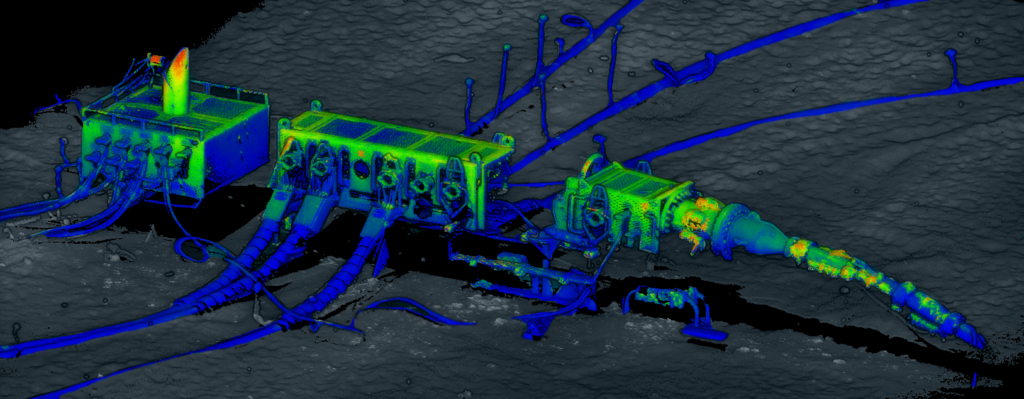
Navies are wise to consider the technical solutions that have been developed for the offshore energy and scientific research sectors. The offshore industries routinely deploy autonomous underwater vehicles (AUV) systems, remotely operated vehicles (ROV) systems, and towed vehicles – all capable of detailed inspections. The same technology that monitors pipeline health – from side-scan sonar to high-resolution laser scans and optical imagery – can be repurposed to identify suspicious activity. In the same way that the effectiveness of a navy is multiplied when it operates at sea (within reasonable limits it could be anywhere), the presence of credible autonomous systems provides an effective deterrent to an adversary. Exploration in deep water is leading to resident AUV and ROV systems performing surveys and maintenance between underwater re-charging and data transfer. These systems can be supported by precise positioning networks and through water communications to enable real-time monitoring, warning, and response. From a defensive perspective the presence of credible autonomous systems employed randomly in an outward surveillance mode may deter an adversary from their course of action.
Recent workshops relating to use of unmanned systems and the likelihood of our forces needing to operate in diverse and potentially unfamiliar environments to protect our nation’s interests all raise a common observation: that industry holds the bulk of the knowledge of what infrastructure lies on the seabed, what that infrastructure is carrying (to allow an assessment of how important it is) and the environmental conditions of the area. Recognising that offshore companies have paid large sums to obtain this data, some of which could be useful to a competitor, there is no appetite to freely share such information. A frequent comment by naval officers is that “you would not believe just how much infrastructure there was on the seabed”. This begs the question of whether navies are ready to operate safely and effectively within such an unfamiliar and poorly understood environment.
Partnerships
So, how can companies be encouraged to release the data they hold? Abstracted to a problem of source protection, security and sharing the answer is, optimistically, yes: anything is possible. But realistically, to overcome significant challenges including multinational ownership, individual company vulnerabilities and cost of implementation this must be government led. At Forcys we are encouraged by initiatives like NATO Digital Ocean and the establishment of the CNI Hub at NATO Maritime Command. At a national level in the UK where I am based, there is surely a role for the NSPA or UK Hydrographic Office in managing a limited access database of seabed infrastructure within the UKs Exclusive Economic Zone for use by UK Defence if required. Perhaps the most compelling reason to support data sharing is the benefits that the improved protection will bring. Time will tell.
Ultimately, the short-term future of seabed warfare does not lie exclusively in expensive new unproven technologies, but in smarter ways to use the tools we already possess alongside breakthrough capabilities. By working together, we can ensure the safety of our underwater lifelines, keeping the lights on and the world connected. At Forcys, we understand both the threat and the technology. We want to be where technology, experience and innovation meets security.
Justin Hains MBE left the Royal Navy in 2020. Among other professional qualifications, he completed the Advanced Mine Warfare Course and the Amphibious Operations Planning Course during a career as a Mine Warfare Clearance Diving Officer and Principal Warfare Officer (Underwater).
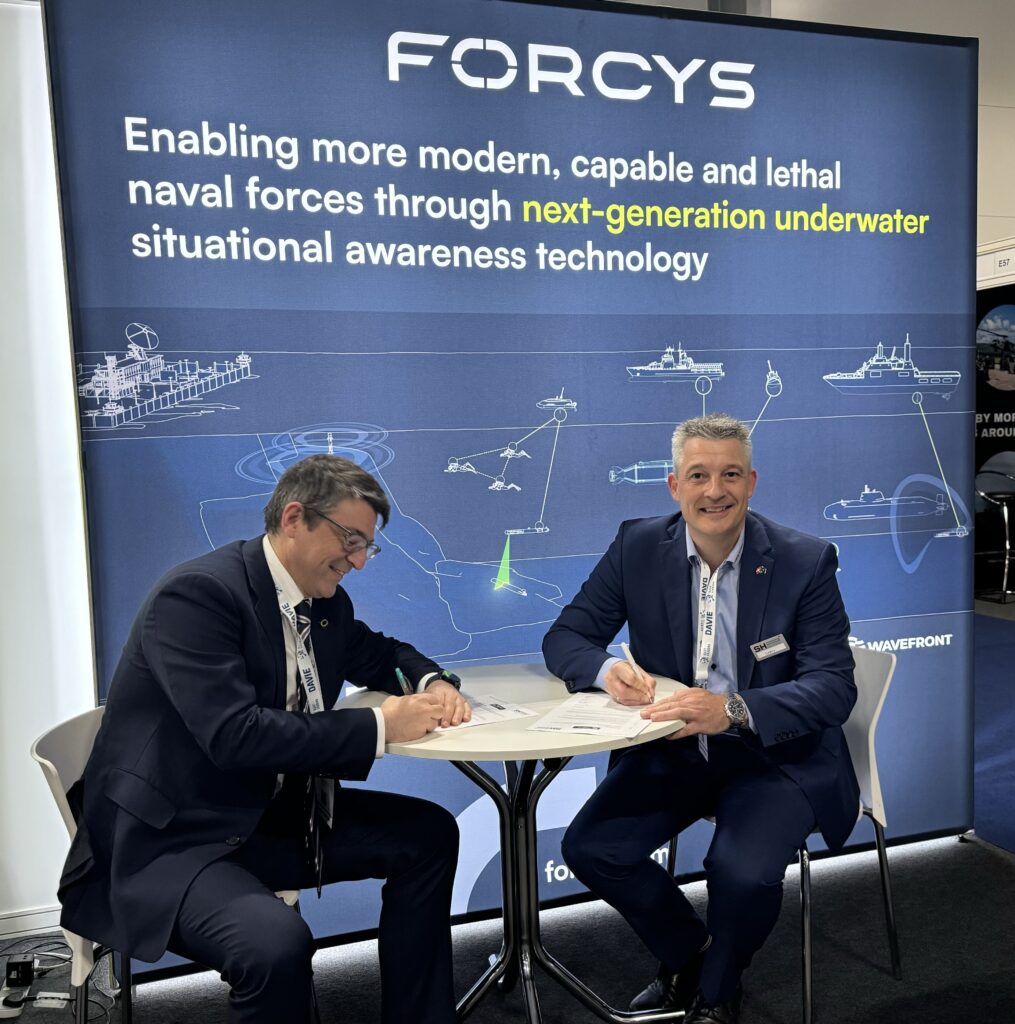
Forcys, a leading global maritime defence company, and SH Defence, part of SH Group, announced the signing of a Memorandum of Understanding (MOU) to explore the integration of Forcys’ advanced solutions into SH Defence’s Cube™ Modular Mission Capability system. The signing took place during the Combined Naval Event (CNE) in Farnborough (UK), with Ioseba Tena, Managing Director of Forcys, and Jimmy Gehring Sales Director of SH Defence, in attendance.
Forcys integrates and brings to the defence market world-changing solutions from leading technology partners Chelsea Technologies, EIVA, Sonardyne, Voyis, and Wavefront Systems. These companies are renowned for their innovative offering in underwater and maritime operations, making them ideal partners for SH Defence’s Cube™ system.
The Cube™ Modular Mission Capability system is the future in Maritime mission modularity. Capable of turning (almost) any platform into a future-proof multi-mission capability using interchangeable modules for all four dimensions of modern warfare.
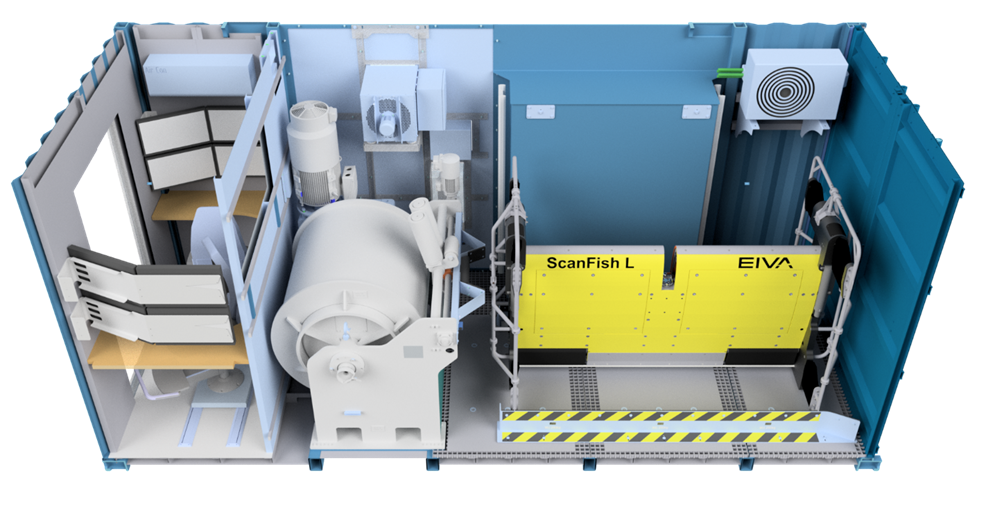
This agreement follows the successful recent delivery of a Containerised ROTV (Remotely Operated Towed Vehicle) solution to a NATO Navy. In this project, Forcys’ sister company EIVA A/S delivered a ScanFish L ROTV, which was seamlessly integrated into an SH Defence Cube™, demonstrating the potential of this collaborative integration.
“We are excited about the opportunities this MOU brings,” said Ioseba Tena, Managing Director of Forcys. “Integrating our advanced solutions with the Cube™ system will provide operational flexibility and capability to naval forces worldwide. This collaboration underscores our commitment to enhancing maritime defence through innovation and strategic partnerships.”
Jimmy Gehring, Sales Director of SH Defence, echoed this sentiment, stating, “we are proud of the future cooperation with Forcys and look forward to promote our joint efforts to the defence industry.”
The MOU marks a significant step towards a deeper collaboration between Forcys and SH Defence. Both companies are committed to pushing the boundaries of what is possible in naval operations, leveraging their combined expertise to deliver state-of-the-art solutions to defence markets worldwide.
Forcys has appointed Dr Ioseba (Joe) Tena as Managing Director and Mr Peter Hodgkinson as Non-Executive Director.
Ioseba, who takes up the role with immediate effect, has served as Forcys Commercial Director since the company’s formation in 2022. Prior to that, Ioseba was Head of Defence at Sonardyne International Limited who are also part of the Covelya Group alongside Forcys, Chelsea Technologies, EIVA, Voyis, and Wavefront Systems.
“Launching Forcys, we were confident our cutting-edge commercial technology would accelerate the development of powerful, next-generation underwater platforms,” says Ioseba. “And the initial response from customers validates this vision. I am excited in my new role to keep turning that vision into reality. Our customers venture where others fear to tread and Forcys, together with our technology partners across the Covelya Group, are dedicated to providing them with the best tools to succeed in their missions.”

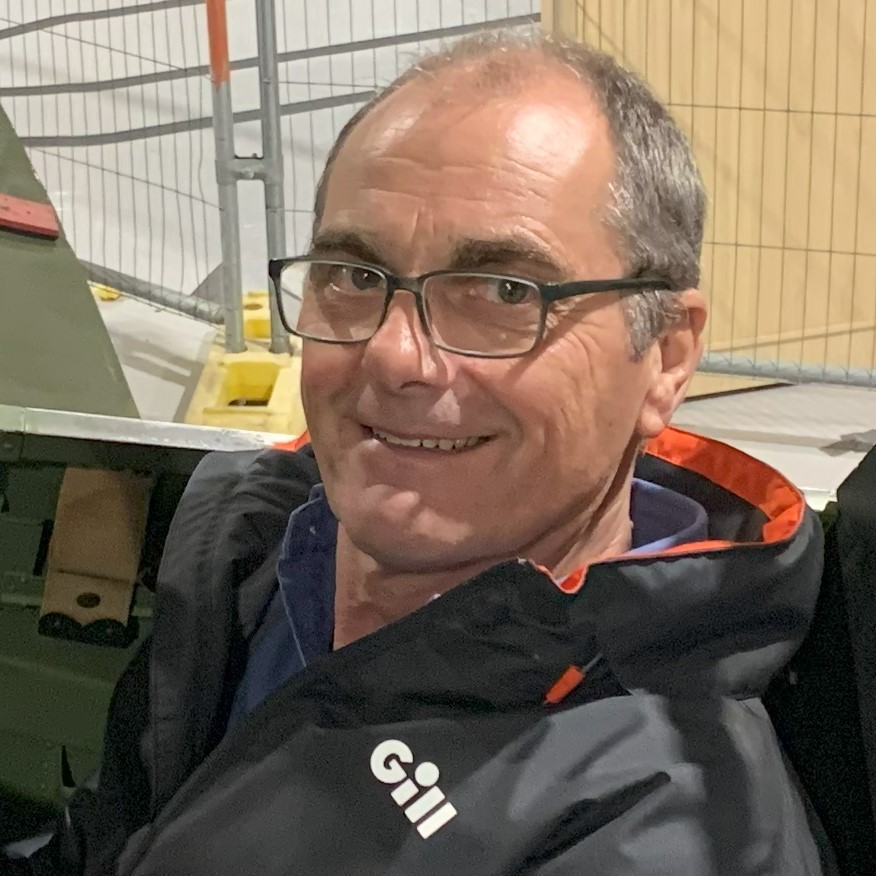
Ioseba is a recognised and successful leader in the unmanned maritime systems and sensors industry. Prior to joining Sonardyne, Ioseba worked at SeeByte were he led the sales and marketing team. He has a PhD in Electrical and Electronic Engineering from Heriot-Watt University focused on underwater navigation and sonar.
Forcys are also welcoming Mr Peter Hodgkinson to the Forcys Limited board as a Non-Executive Director. Peter started his career as a Weapons Engineer in the Royal Navy Submarine Service working on Strategic Weapon Systems and complex integrated C4ISTAR systems. On retirement from the RN, he worked in the BAE Systems Advanced Technology Group, focused on sensor and C4I systems across a number of platforms, rising from Principal Engineer to Business Executive for the Advanced Technology Team.
Peter joined SEA maritime technology group as the Business Development Director in 2009, with a short period at OSI. During his time there, the company grew from 60 to 400 people through a combination of organic activity, mergers and acquisitions. Peter left the group in 2023.
Retiring to become a Senior Consultant in Maritime Defence, Peter brings a wealth of experience as a both a user and provider of cutting-edge maritime defence systems and has right skills and management experience to help drive our planned expansion.
“With Forcys, Covelya Group is committing to support our navies putting our best foot forward. We appreciate they need to work with companies that understand their operational requirements and their need for security. I am confident that the new board appointments will help us deliver on this commitment.” Stephen Fasham, CEO, Covelya Group.
In testimony to the House Foreign Affairs Committee in May 2023, Assistant Secretary of State Jessica Lewis stated that “[AUKUS] Pillar II may have arrived just in time,” referring to a generally accepted assessment that China is ahead of the United States and its allies in 19 of 23 technologies relevant to AUKUS Pillar II. While advancing the state of the art in all of Pillar II technologies is an important goal in addressing this gap, we can immediately shift the balance in those areas contributing to subsurface and seabed warfare (SSW) through existing and proven capabilities. Collectively, the AUKUS participants can address this technological imbalance and do so at pace by leveraging commercially available vehicles, sensors, and payloads to get relevant capability into SSW warfighters’ hands.
To achieve this very near-term solution, the United States needs a comprehensive approach to navigate opportunities, overcome challenges, and reshape existing legislative frameworks to implement Pillar II.
Quantity Has a Quality All Its Own
Rightfully, the main buzz around AUKUS centers on Pillar I and the pathway to an indigenous Australian nuclear submarine. The breadth and scope of that endeavor—rolling up 75 years of the nuclear submarine ecosystem from two sovereign nations to create a brand new one in a third independent nation—is epic and without true precedent. In the case of nuclear-powered submarines, quality establishes its own quantity.
Pillar II headlines and discussions have focused on the advancement of relevant undersea technologies to push the state of the art in SSW through collaboration and mutual development of new capabilities. Implementing undeveloped, or newly developed technology and fielding at scale in useful numbers for warfighters still takes years in the US, acquisition reforms and alternative contracting methods notwithstanding. Moving up the technology readiness level (TRL) ladder is risky, time phased, and expensive.
However, in the SSW fight, small, uncrewed, autonomous vehicles, perhaps even those that are expendable or attritable, carrying a variety of sensors, and seafloor networks serving a variety of functions are available right now. Sensor systems with limited range or function deployed in significant numbers—quantity—offer meaningful options for a theater commander—a desirable quality, to be sure.
The near-term solution is to rapidly and widely implement existing commercially available technologies regardless of AUKUS nation of origin. Closing the perceived technology gap, referenced above, that was ceded over years will take years to win back. The Replicator initiative tacitly acknowledges the challenge of regaining the technology edge through its approach to rapidly deploy legions of autonomous platforms within just a couple years.
Raising the Pillar, Lowering the Flag
Commercially available technology, in use by companies in conducting energy, communications, and ocean survey operations, and by ocean science and research institutes, is highly capable and available now to support SSW mission sets. Integrating sensors and payloads into existing vehicles for military rather than commercial operations is a low risk and quick way to address Pillar II goals. Facilitating this across national AUKUS boundaries, at least in the US, requires action from Congress, the Department of State (DoS), and the Department of Defense (DoD).
Three areas present hurdles: legislative action; modification of export controls through International Traffic in Arms Regulations (ITAR); and management of Controlled Unclassified Information (CUI).
Legislative Action
To date, only two bills referencing AUKUS have become law and both are National Defense Authorization Acts. Several bills are in early stages in either house of congress addressing various legislative changes or authorization. No DoS authorization act has been passed in recent years and none appropriating money for AUKUS activities. Without legislation or authorization, DoS cannot make changes to ITAR rules opening the door for accelerated movement of technical information and material within the AUKUS group. Stalled initiatives, such as the Senate’s Truncating Onerous Regulations for Partners and Enhancing Deterrence Operations (TORPEDO) Act of 2023 directly address the issues and should be enacted into law directly.
Adapting Export Controls
Long-standing exemptions for Canada covering technical data transfer and enumerated items on the US Munitions List (USML) allow the free flow of Pillar II technologies. DoS can adopt this same approach with our other most trusted partners. The same language and principles can be rapidly incorporated into our ITAR. “Pre-licensing” by carving out specified exemptions in the USML will quickly allow for seamless collaboration between government, research, and commercial entities under the AUKUS umbrella. Proposed legislation in both the House and the Senate leans into DoS to make these changes.
“Controlled AUKUS” Information Category
Controlled Unclassified Information (CUI) evolved from several threads of unclassified but sensitive, often export controlled, technical and other information. Both the DoD and DoS acknowledge this is a significant hurdle. Overclassification was characterized in 2023 by the Vice Chairman of the Joint Chiefs as “unbelievably ridiculous” and this extends to overly controlling CUI. Further, improper markings and categorization throw sand in the gears. CUI is codified in DoD instruction but application is inconsistent and confusing and stymies what should otherwise be a smooth authorization process. Others have already suggested creating a special category to pre-clear the transfer of information within AUKUS channels. Creation of such a handling caveat may be effective in both the UK and Australia as each have their own processes for determining what is and what is not sensitive and what can be readily shared. A trilateral handling caveat could cut across the unique systems in place without having to reconcile the rules of each country.
Conclusion
Pillar II is moving forward within the current AUKUS ecosystem but more is needed than can be accomplished without changing that system. The need to address SSW gaps is pressing in the near term and the call for purposeful, prompt action by Congress, State, and Defense is clear.
This article was written by Captain Christian Haugen, USN (Ret.). Chris served as a US Navy submarine officer for 25 years retiring in 2010. From that time he has served as a leader and business development lead at well known companies within the defense industry.
It is an exciting time for defence industry and Australia’s undersea warfare capability. The thought of autonomous vessels surveying, communicating, detecting, and performing tasks, either on their own or with naval vessels (warships and submarines) brings a whole new level of capability for the Royal Australian Navy (RAN) that only years ago seemed fictional.
With the surge of undersea capabilities currently being constructed in the Asia Pacific region, AUKUS comes at a critical time for the Royal Australian Navy and its allies.
The challenge for Australia, with its vast maritime approaches is how it dominates the underwater domain through control and denial. We are excited with the range of acoustic technology and tools that through Pillar 2, will support Australia’s ability to win the underwater battle.
AUKUS
Announced in September 2021, AUKUS is a defence and security partnership between Australia, the United Kingdom, and the United States. Through both its Pillars, AUKUS provides each of its partners with the ability to share, collaborate and work together providing acceleration for various technology areas including nuclear powered submarines and other capability enhancements.
Not Just Nuclear-Powered Submarines
The first focus for AUKUS was on the nuclear submarine program under Pillar 1, cancelling all previous work on SEA1000 and cooperating with the UK and US to acquire nuclear powered submarines over conventional ones. Since the announcement, Pillar 2 has been introduced and provided other specified areas of collaboration for each of the AUKUS nations. It focuses on developing a range of capabilities over several key areas; this will not only provide the ability between AUKUS nations to accelerate these advanced capabilities, but also continue to pave the way for closer military ties and more importantly, interoperability between them. There may be opportunity for other nations to cooperate and recent announcements point to New Zealand taking an active interest.
Undersea Warfare
From Australia’s perspective, the focus areas afforded through AUKUS are critical for the future security in the Indo-Pacific region. The region has never seen a buildup of maritime forces like it is currently witnessing; these forces, both surface and subsurface, can venture anywhere that the regions oceans allow them to. It is imperative that Australia, bordered by three oceans, views its vast underwater approaches as a priority to monitor, deter and defend against undersea adversary capabilities.
The establishment of maritime undersea ranges, the ability to communicate with them via autonomous underwater vessels (AUVs), while being able to track them acoustically will be part of the undersea warfare solution for Australia.
Time Scales – the Now and the Later
Pillar 1 is set in motion, work between nations has commenced with a pathway to acquire both current US and hybrid UK versions of nuclear-powered submarines for Australia. But the acquisition will take time; the construction of nuclear-powered submarines, buildup of personnel, the training of their crews and support networks and upgrading of facilities and infrastructure will not be fully established for some time. Pillar 2 by comparison, will start immediately with work already commencing in Australia through the Advanced Strategic Capabilities Accelerator (ASCA). ASCA will connect and streamline the defence innovation system to drive capability development and acquisition pathways at speed, and more effectively harness and coordinate the innovation ecosystem. In fact, all three nations are working towards each of the Pillar 2 capabilities through development and sharing.
These technology areas, particularly underwater, will transform the AUKUS members’ military interoperability and technology over the 2020s and through the 2030s, with the nuclear-powered submarines supplementing further deterrent capabilities when delivered.
A Changing World – Asymmetrical Capabilities
AUKUS Pillar 2 is about delivering advanced capabilities, including through technologies that can autonomously extend both the reach and range of the military. The Ukraine conflict has seen the rise of autonomous vehicles that have provided a transitional view of modern warfare, not only from the air domain, but also from land and maritime domains.
These capabilities have been highlighted in Australia’s Defence Strategic Review (DSR) as asymmetric. Capabilities like these will play an increasingly important role in the defence of Australia and its military. These asymmetrical capabilities originate not just from defence industry but from a range of industries, such as the offshore oil and gas and communications sector, that have been utilising technologies such as AUVs for decades.
The technology will be modified to carry a military payload to become force multipliers, working in concert with other AUVs, submarines or warships that will provide the RAN and Australia with valuable deterrent and surveillance technologies.
Cooperation Between Nations and Industry
While the US, UK and Australia have always been close allies, the AUKUS partnership is a technology accelerator between the governments of the three nations with a timescale and accompanying gateway of technology transfers, not seen before.
This gateway of technology transfer is not just from the military, but as previously mentioned, technology firms with high Technical Readiness Level (TRL) capabilities that have been working in industries such as oil and gas can benchmark their decades of working with autonomous vessels for defence.
With the backing of 50 years of experience in energy, ocean science and defence, Forcys Australia are introducing game changing technology through its expertise in the underwater domain with highly sophisticated, TRL9, – agnostic payloads for platforms. Through our technology partners, Forcys specialise in autonomous vessel payloads, acoustic underwater communications, sonars and camera capabilities, providing the benchmark for future AUVs and remotely operated asymmetrical capabilities.
In addition to the above, Forcys expertise in intruder detection sonars, command and control software and remotely operated towed vehicles, environmental sensors and laser scanners already provides world leading capabilities deployed with many navies around the globe.
Forcys Australia are already supplying sensors to the RAN, Defence Science Technology Group (DSTG) and key industry stakeholders, we’re especially excited about the opportunities for Forcys with AUKUS Pillar 2 undersea warfare. Our capabilities are not just limited to asymmetric warfare; they can be utilised for underwater ranges, long range acoustic communications, MCM, along with tracking and protection of critical national infrastructure.
If you’d like to hear more about our vision for the AUKUS partnership, contact us for more information.
Sean Leydon retired from the Royal Australian Navy in 2020. Trained as an engineer, Sean completed an MBA as well as Masters degrees in both Strategy and Management and Maritime Studies.
Forcys brings together leading technologies, offering a comprehensive naval and subsea capability to the world defence market
Forcys is excited to announce further expansion across its global operations, adding to its team of experts dedicated to equipping navies with the most advanced underwater solutions, and establishing a US entity. We’re committed to working alongside you and your supply chain to elevate your lethality and situational awareness in the critical undersea domain.
Counting on a legacy built over five decades, Forcys’ technology offer is trusted by navies worldwide. We provide a unique range of remote, autonomous, and networked control capabilities that deliver integrated underwater intelligence for every mission.
In a significant move, Dan Zatezalo joins Forcys as General Manager for Forcys Inc. and Head of Global Sales. Dan was responsible for US DoD sales at sister company Sonardyne Inc. delivering continued growth. At Forcys he will look to instil the same customer led culture. “I’m excited to take on the new role. I cherish the responsibility that comes from supporting our customers at a time when new technology challenges the way we have been acting”.
Covering a range of maritime operations including asset protection, littoral strike, mine warfare, submarine rescue, and submarine and anti-submarine warfare, Forcys seeks to transform the underwater domain by enabling increasingly distributed and automated operations. This is made possible by integrating and bringing to market world-changing solutions from leading technology partners Chelsea Technologies, EIVA, Sonardyne, Voyis, and Wavefront Systems.
Ioseba Tena, Commercial Director, “Since we launched Forcys eighteen months ago, the underwater domain has continued to receive unprecedented levels of interest. It’s no longer a question of when autonomous systems will become a factor. It’s now a question of what we do to counter them. It’s time for original responses to novel threats. Time to create our own fleets of systems and counter measures. At Forcys we are ready to spearhead the delivery of situational awareness sensors and software to support this transition. It’s an exciting time for our team and we are looking forward to supporting our global customer base.”
Discovery is a revolutionary new underwater camera system from Forcys technology partner Voyis that is changing the way we understand the underwater domain. In an interview with Luke Richardson VP for Sales and Marketing at Voyis, we discuss the origins of the Discovery, the challenges faced in its development, and the new optical payloads that are helping to transform our understanding of the underwater world.
Discovery was designed to remove the compromise between piloting and inspection cameras. Traditional underwater robotic systems (ROVs) have separate camera systems for piloting and inspection. Piloting cameras are designed with low latency in mind, which compromises the video and data quality of the camera to ensure the pilot has rapid response time. Whereas, inspection cameras provide high quality optical video and imagery, but are not trusted to provide low latency piloting capabilities, limiting the payload capacity for ROVs, particularly smaller platforms. Discovery Vision Systems consolidate these two functions into a single camera system. This gives operators access to high-quality imaging, low latency video feed, and, in the case of the Stereo variant, real-time depth perception, all from a single camera.
Luke Richardson explains, “New optical payloads are providing us with unprecedented insights into the underwater domain. The Discovery’s camera system, for example, uses a mix of high-quality optics and focus, combined with image enhancements done at the edge to generate actionable subsea datasets in real-time. This allows operators to see and understand the underwater world in a new way. It hasn’t been easy. One of the biggest challenges was developing a camera system that could meet the requirements for an effective subsea navigation and inspection tool, while fitting on a small inspection-class ROVs. Discovery Vision Systems are powered with the latest developments in computing capability to minimize the electronic stack, while still performing advanced corrections essential to deliver a superior inspection camera. In addition to optimizing the electronics to get the most out of the camera internals, the system also utilizes a 130° x 130° domed lens with full 4K resolution and crisp focus to provide platforms with increased situational awareness through piloting operations. Integrating this incredible field of view within the Discovery size limitations required mastery from Voyis’ design team. The development of the Discovery tackled the challenges and as a result the quality and capability of the system met the need of our objective, helping humans see the depths like we see the surface.”
In defence applications cameras have a critical role to play in providing improved situational awareness by helping to identify IEDs and mines, supporting autonomous manipulation tasks and obstacle avoidance.
Advanced optical and processing technology readily accessible
Discovery Vision Systems from Voyis use the Data Distribution Service (DDS) architecture to provide users with access to all the data they need to make informed decisions and perform inspections. DDS is a standard protocol that allows different systems to communicate with each other and share data in a real-time and efficient manner.
“You’d like to know why we would want to use DDS? It means we can provide the user with a number of outputs:
- Piloting feed: A live stills-to-video feed that is compressed for low latency.
- Raw image data set: A set of unprocessed images that can be used for further data refinement or inputs to customer proprietary enhancements.
- Processed image data set: A set of images that have been light levelled, undistorted, and colour corrected, optimal inputs for automatic target recognition software.
- Inspection video: A stills-to-video feed to re-live the survey to uncover more details after mission.
- 3D point cloud depth map (Stereo camera): 3D depth perception, mapping the environment to support autonomous manipulation, visual station keeping or docking, and tracking.
Users can simply subscribe to any of these data streams and receive them in real time. This allows users to create 3D models, make decisions, and perform inspections quickly and efficiently.”
Discovery Vision Systems are compliant with the Unmanned Maritime Autonomy Architecture (UMAA) framework, which is used by the US Navy. This means that the system can be easily integrated with other systems that use the UMAA framework. This makes it easy for users to deploy the Discovery Vision System on their own platforms and start using it immediately.
It’s child’s play
“You can’t underestimate the amount of effort that has gone into making the Discovery camera as simple to use as possible. We considered typical survey operations, and wanted to ensure that operators could maintain their general piloting missions without changing tasks or adding additional steps, but also wanted to ensure that the mission would gain a large advantage with the actionable datasets generated in real-time. I am happy to say that we have managed to do that. Discovery is a technical marvel, improving user experience and delivering outputs that are immediately accessible to any user.”
The technical innovations required to make this vision system work are numerous:
- Global shutter: Discovery uses a global shutter, which means that all pixels in the image are captured at the same time. This is important for maritime autonomy applications because it eliminates motion blur and distortion.
- High dynamic range: Discovery has a high dynamic range, which means that it can resolve features in the images with greater detail, whether the target is in very bright or very dark environments. This feature improves identification capabilities.
- 130° by 130° Dome: Discovery has a 130° by 130° Dome that provides very crisp imagery and colours with complete wide-area coverage delivering better situational awareness when performing piloting task or autonomous obstacle avoidance operations.
- High-powered lighting package: Discovery comes with a high-powered lighting package that includes two Nova Minis at 75,000 lumen each allowing the camera to operate in low-light conditions.
Why invest on your camera system?
“The camera is the most important sensor on an ROV. It is what allows you to see underwater without deploying a person. So why would you compromise and only rely on a low-latency camera with limited optimization for subsea environments? If you build the ROV to provide “eyes” in subsea environment for humans ashore, why would you compromise on the camera?,” Luke asks. “In a sense, customers should consider the camera they need to perform their operation before the platform, it is the sensors that enable humans to interpret the subsea domain, the ROV is simply the vessel to transport them.”
If you would like to find out more about Discovery or Voyis other optical systems, please contact us.