

Why Vigilant FLS 600 is the natural choice for XLUUV navigation
Dr Rob Crook, Research Director – Sonar Systems discusses XLUUV FLS
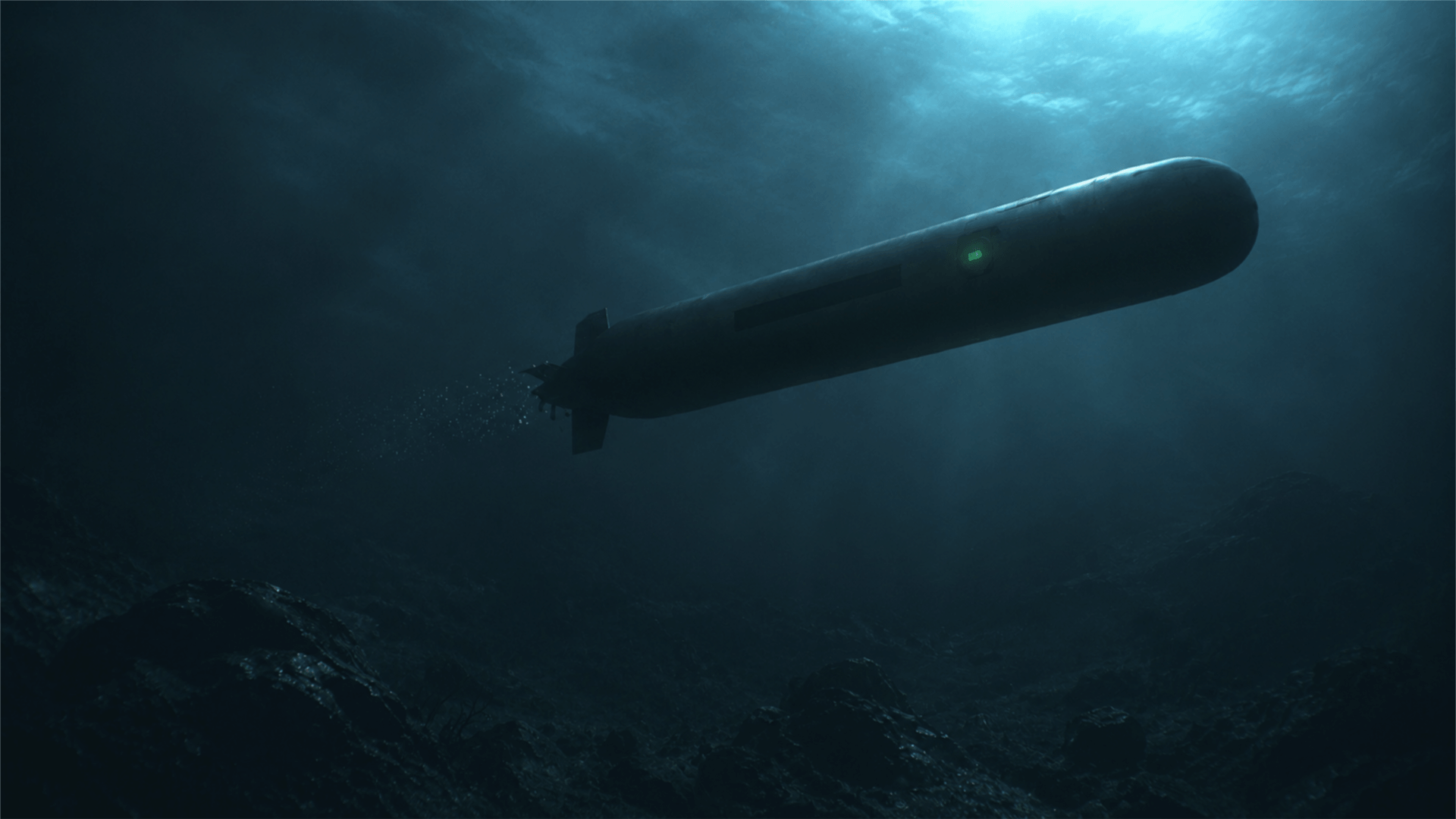
Extra-large uncrewed underwater vehicles are attracting substantial strategic investment from navies worldwide. Their operational purpose is clear: to extend maritime reach, conduct persistent missions across vast distances and deploy autonomous capability without placing crewed platforms in unnecessary danger.
Delivering that capability is technically demanding. Missions such as intelligence, surveillance and reconnaissance may require an XLUUV to leave the relative predictability of deep water and enter shallow, congested coastal environments. In these areas, the vehicle may have limited access to reliable hydrographic data while operating close to the seabed, submerged infrastructure, other vessels and potentially hostile forces.
These conditions are challenging for a crewed submarine. For an autonomous platform, they demand exceptional environmental awareness and sufficient time to respond safely to unexpected hazards.
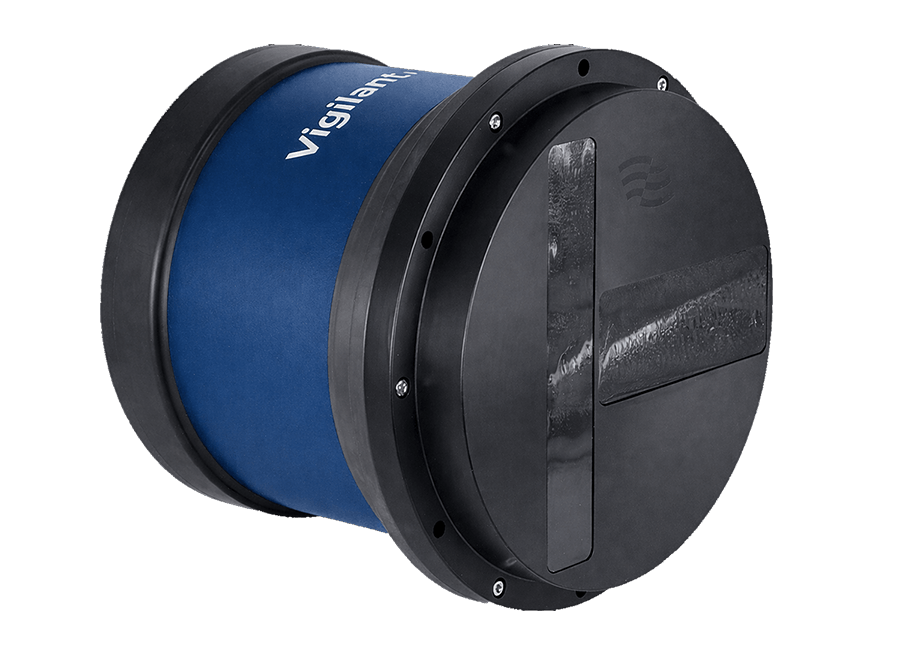
Forward-looking sonar is therefore a critical component of the XLUUV navigation architecture—and this is precisely the operational requirement addressed by Vigilant FLS 600.
Long-range detection that provides tactical reaction time
Speed and autonomy offer limited value if an underwater vehicle cannot detect hazards early enough to avoid them.
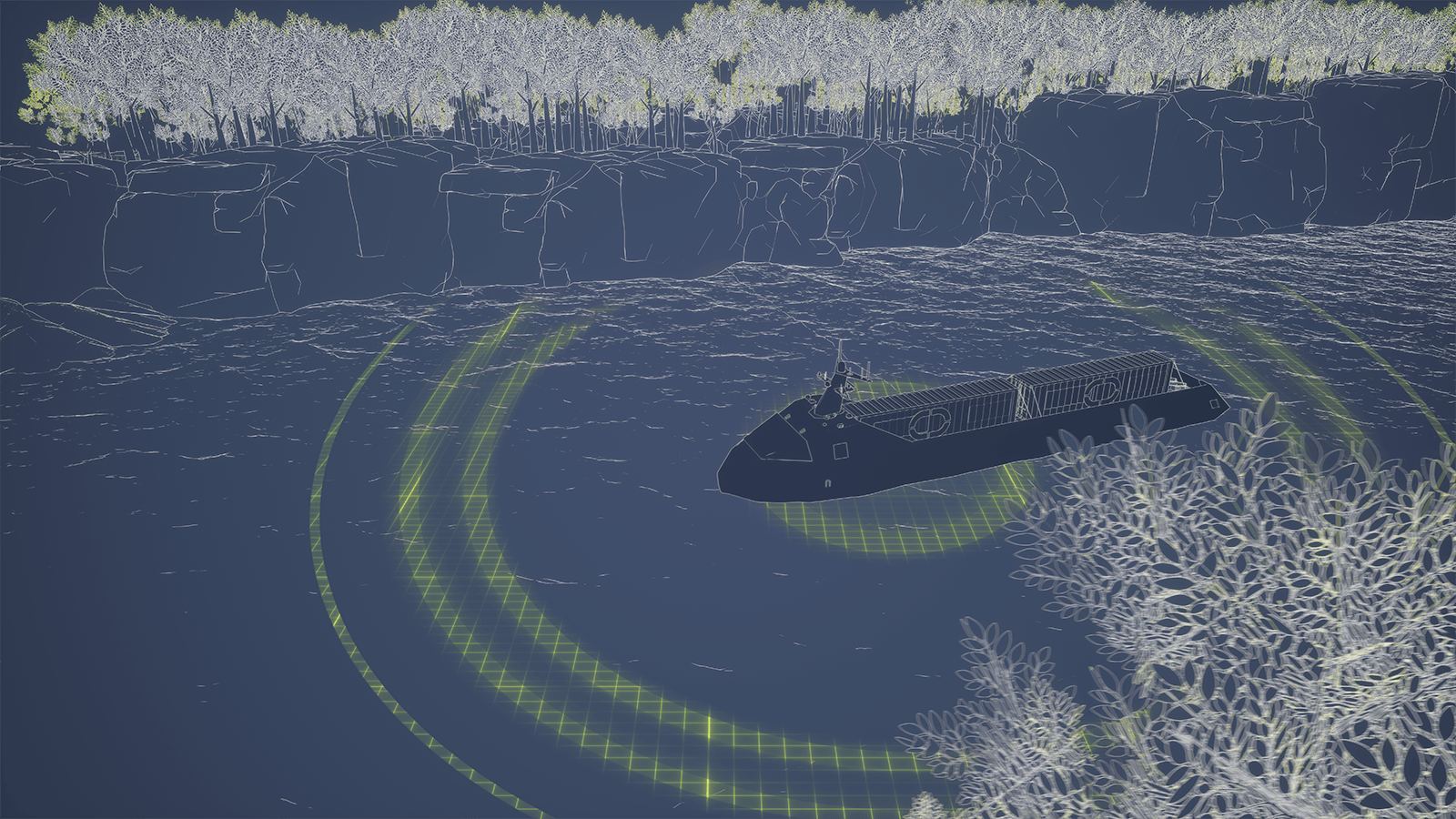
Vigilant FLS 600 provides active obstacle detection through the water column at ranges of up to 1,000 metres. For an autonomously navigating XLUUV, this is a tactically significant distance. It gives the vehicle’s command and control system time to detect and track a potential obstruction, assess the collision risk and execute an appropriate avoidance manoeuvre.
Earlier detection enables the vehicle to respond progressively rather than making abrupt course changes, aborting its mission or surfacing unnecessarily. This helps preserve both platform safety and mission continuity.
Real-time 3D bathymetry for littoral operations
As an XLUUV approaches a coastal operating area, the reliability of existing navigational charts can become increasingly uncertain. Survey information may be incomplete, out of date or insufficiently detailed, while sediment movement, seabed activity and man-made objects may have altered the local environment.
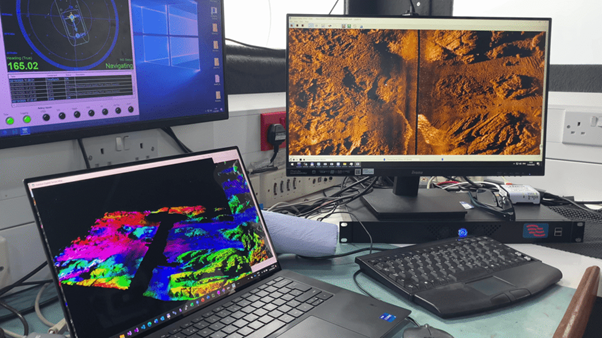
Vigilant’s 600-metre 3D bathymetric mode generates a high-resolution, real-time representation of the seabed ahead of the vehicle.
This enables the XLUUV to assess bottom clearance, identify changes in seabed gradient and plan a safe route through complex or poorly charted terrain. Instead of relying solely on stored hydrographic data, the vehicle can continuously update its understanding of the environment as the mission progresses.
The result is more assured autonomous navigation through precisely the shallow and constrained waters in which many strategically important missions must be conducted.
Passive acoustic awareness for covert missions
Vigilant also provides a passive acoustic capability for missions in which discretion is critical.
In passive mode, the system can capture and process broadband acoustic signatures generated by vessels, machinery and other sound-producing contacts. These data can support the detection, tracking and classification of nearby contacts without requiring the XLUUV to transmit an active sonar signal.
The combination of active and passive sensing gives the vehicle greater operational flexibility. Active sonar can provide detailed knowledge of the surrounding physical environment, while passive sensing can contribute additional awareness when minimising acoustic emissions is the priority.
A perception system for assured autonomy
An XLUUV must be able to do more than follow a predetermined route. It must perceive its surroundings, recognise emerging hazards and adapt its behaviour without depending on continuous intervention from a remote operator.
Vigilant FLS 600 provides the physical perception capability required to support that autonomy:
- long-range obstacle detection through the water column;
- high-resolution, real-time 3D bathymetric mapping;
- passive broadband acoustic sensing; and
- sufficient warning time for safe and controlled autonomous manoeuvring.
From deep-water transit to covert operations in complex littoral environments, Vigilant FLS 600 enables XLUUVs to operate with greater independence, safety and mission assurance in contested underwater domains.

Share On